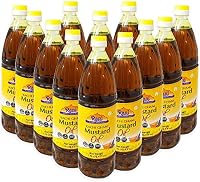
New Mustard Oil on Amazon.com: Honest First Look at Brown Mustard Oil for Cooking
If you have been searching for mustard oil Amazon options that actually deliver the pungent, nutty flavor your diaspora kitchen demands, you are not alone. Millions of Indian households abroad rely on Indian mustard oil USA shoppers can find on major retail platforms, yet finding a bottle that tastes close to what comes from a local Indian grocery store remains a genuine challenge. The landscape of online cooking oil shopping has shifted dramatically, and brown mustard oil is now sitting in a spotlight that deserves an honest, no-fluff look.
In this guide, you will learn what separates a quality cold pressed mustard oil from a mediocre one, how to read labels before you click "buy," and practical ways to integrate this versatile oil into everyday cooking — whether you are making tadka dal, stir-frying greens, or experimenting with fusion dressings. This is a practical, experience-grounded review built for real home cooks, not marketing copy.
We focus on general cooking and culinary information only. Individual dietary results vary, and this article does not provide medical advice or treatment claims.
Why Home Cooks Are Actively Searching for Mustard Oil on Amazon
The diaspora cooking boom is real. Indian restaurants, YouTube channels, and Instagram recipe creators have introduced millions of non-Indian households to the bold, distinctive flavor of sarson ka tel. Yet the nearest Indian grocery store might be a forty-minute drive, or the selection at a local shop may stock oil that has been sitting on shelves for months. Online purchasing has become the default for many families, and cooking oil Amazon.com listings now include dozens of brands, pack sizes, and price points.
However, Amazon is a marketplace, not a curated store. Quality varies widely. Some bottles arrive perfectly fresh and flavorful, while others disappoint with a rancid taste or misleading labeling. That is exactly why an honest first look matters before you commit your money and your meal to a particular product.
What Makes Brown Mustard Oil Different From Other Varieties
Cold Pressed Versus Refined: Understanding the Process
The single biggest factor in how your mustard oil tastes and performs is whether it is cold pressed or refined. Cold pressed mustard oil is extracted from mustard seeds using a traditional mill without excessive heat. This preserves the natural erucic acid profile, the sharp aroma, and the polyphenol content that many cooks associate with authentic flavor. Refined mustard oil, by contrast, is processed with heat and chemicals to neutralize strong smells and extend shelf life. It works fine for high-heat frying, but it lacks the character that makes mustard oil memorable.
For anyone searching specifically for sarson oil buy online, the distinction matters enormously. Here is a quick comparison:
- Cold pressed: Strong aroma, pungent bite, best for tempering, dressings, and low-to-medium heat cooking. Shorter shelf life. Authentic flavor profile.
- Refined: Milder taste, higher smoke point, longer shelf life. Works for deep frying but loses much of the distinctive mustard character.
- Blended: Sometimes mixed with other oils. Always check the ingredients label carefully.
The Flavor Profile You Should Expect
genuine brown mustard oil should smell sharp and almost peppery when the bottle is opened. The color ranges from deep amber to dark brown. On the palate, expect a nutty, slightly bitter undertone with a lingering heat. This is the oil that makes Bengali shorshe ilish, Punjabi sarson ka saag, and Kashmiri haak so distinctive. If your bottle smells like plain vegetable oil, you have likely received a refined or blended product.
How to Choose Quality Indian Mustard Oil That USA Buyers Actually Trust
Navigating Amazon listings requires a critical eye. Not every product with an attractive photograph and a high rating is what it claims to be. Here are the practical checkpoints experienced buyers use before finalizing an order:
- Ingredient list transparency: The best products list only mustard seeds (or mustard oil) with nothing else. Avoid anything listing "vegetable oil" or "blend" unless that is genuinely what you want.
- Extraction method stated: Look for "cold pressed," "kachi ghani," or "expeller pressed" on the label. Generic listings without extraction details are a red flag.
- Country of origin and batch information: Reputable brands print manufacturing dates, batch numbers, and clear origin details. Indian mustard oil USA distributors must comply with FDA labeling requirements, so check for compliance marks.
- Recent reviews with photos: Sort reviews by "most recent" and look for uploaded photos. A product with dozens of five-star reviews from three years ago may no longer reflect what you will receive today.
- Seller reputation: Purchase through established brands or verified sellers rather than third-party merchants with no track record.
For a practical starting point, you can shop mustard oil on Amazon.com and filter specifically for cold pressed options. This narrows the field significantly and saves you from accidentally buying a refined blend.
Practical Ways to Use Brown Mustard Oil in a Modern Kitchen
Once you have a quality bottle, the real fun begins. Brown mustard oil works across a surprising range of cooking styles, and many home cooks discover new uses within weeks. Here are some reliable approaches:
Traditional Tempering and Tadka
The classic use remains unmatched. Heat a small spoonful until it just begins to shimmer, then add mustard seeds, cumin, hing, and dried red chilies. The crackle and aroma fill the entire kitchen. Pour over dal, raita, or khichdi for an instant depth of flavor that no neutral oil can replicate.
Salads and Dressings
Many diaspora families blend a teaspoon of cold pressed mustard oil with lemon juice, salt, and a pinch of jaggery for a bold salad dressing. It pairs surprisingly well with roasted vegetables, kale salads, and grain bowls. Shop cold pressed mustard oil on Amazon.com in smaller bottles so you can experiment without committing to a large quantity.
Fusion and Everyday Cooking
Some families drizzle a thin stream over popcorn, roast potatoes, or mix it into marinades for chicken and tofu. The peppery notes cut through rich foods effectively. You can also use it for sautéing mushrooms, caramelizing onions, or finishing grilled vegetables. These are not traditional applications, but they work well and help justify the higher price compared to generic cooking oils.
Pickling and Preserving
Mustard oil has been used across South Asia for pickling vegetables, raw mangoes, and fish for generations. Its natural antimicrobial properties make it a practical choice for home preservation projects. If you grow up in a family where achaar is a staple, this alone can be a reason to keep a steady supply on hand.
Honest Trade-Offs and What to Watch For
Let us keep this real. Brown mustard oil on Amazon comes with several trade-offs that no influencer will always mention:
- Price: Quality cold pressed mustard oil typically costs two to three times more than a liter of standard vegetable oil. The flavor payoff is real, but your wallet will notice.
- Shelf life: Cold pressed varieties oxidize faster. Use within three to four months of opening, store away from heat and light, and never leave an open bottle near the stove.
- Strength of aroma: If anyone in your household dislikes strong smells, a small bottle used primarily for finishing is smarter than a large one that sits unused.
- Availability inconsistencies: Popular brands sometimes go out of stock for weeks. Consider keeping a backup bottle frozen (yes, mustard oil freezes into a creamy solid and returns to liquid at room temperature) or maintaining a relationship with a trusted online seller.
- Label confusion: Some listings say "mustard oil" but contain a blend. Always double-check the ingredients panel, especially when buying from lesser-known brands.
These are not dealbreakers, but they are the practical realities that experienced cooks navigate. Knowing them in advance prevents frustration and wasted money.
Frequently Asked Questions
Is brown mustard oil the same as regular mustard oil?
Not always. "Brown" typically refers to the seed type (Brassica juncea) and the resulting darker color and stronger flavor. Some sellers use the terms interchangeably, so always confirm extraction method and ingredients rather than relying on the word "brown" alone.
Can I use mustard oil for daily cooking like I would use olive oil or canola oil?
You can, but the flavor is much stronger. Many families use it primarily for tempering, finishing, or specific recipes rather than as an all-purpose neutral oil. Some cooks blend a small amount into a neutral oil for everyday use to ease the transition. Results depend on personal preference and what dishes you prepare most often.
What does "cold pressed" actually mean on a mustard oil label?
Cold pressed means the oil was extracted from mustard seeds using mechanical pressing without significant heat application. This retains more of the natural flavor compounds, aroma, and nutrients compared to refined methods. It is generally considered the preferred option for authentic culinary use.
How long does opened mustard oil last on the shelf?
Cold pressed mustard oil typically maintains good quality for about three to four months after opening when stored in a cool, dark place. Refined varieties may last longer. Always check for changes in smell, color, or taste before using, as rancid oil develops off-flavors over time.
Is Indian mustard oil available on Amazon.com safe for families in the USA?
Reputable brands sold through Amazon.com generally comply with FDA food safety regulations and undergo required testing. Look for products with clear labeling, manufacturing dates, and established brand names. As with any food product, check for allergen information if relevant to your family's needs.
Will mustard oil leave a strong smell in my kitchen forever?
No, the strong aroma does dissipate relatively quickly once the oil cools and the bottle is sealed. During active cooking with heated mustard oil, the smell can be intense but typically fades within an hour or two. Ventilating your kitchen helps considerably.
Conclusion
Finding a reliable bottle of cold pressed mustard oil on Amazon.com takes a bit of homework, but the flavor rewards are substantial for anyone who cooks with Indian traditions or wants to explore bold, unfamiliar flavors. The key is reading labels carefully, choosing cold pressed over refined when authenticity matters, and buying from sellers with transparent sourcing and recent positive reviews.
This honest first look should give you the confidence to navigate the crowded listings and pick a product that genuinely fits your kitchen. Whether you are a longtime sarson oil devotee or a curious beginner, brown mustard oil deserves a place in your spice rack — used thoughtfully and stored well, it delivers something no generic cooking oil can match.
Shop mustard oil on Amazon.com and start building your collection today. For more detailed reviews and guides on Indian cooking oils and grocery picks, visit MustardOil.in — your trusted resource for diaspora kitchen essentials.