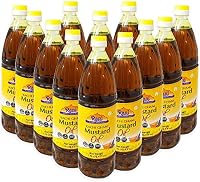
New Mustard Oil on Amazon: An Honest First Look at 100% Pure Mustard Oil for US Cooks
If you have ever walked down the international aisle at an American grocery store and come home empty-handed on mustard oil, you are not alone. For diaspora families and home cooks who grew up with the sharp, pungent kick of sarson ka tel, finding a reliable bottle in the US can feel like a scavenger hunt. The good news is that Amazon has become a thriving marketplace for Indian mustard oil, with several brands now offering cold pressed and premium variants shipped right to your door. This article gives you an honest first look at what is available, how to spot quality, and whether these listings actually deliver on their promises.
In this guide, you will learn what separates cold pressed mustard oil from refined versions, what details to scrutinize on Amazon product pages, and how to incorporate this bold cooking oil into everyday American meals. We also share practical buying tips based on real kitchen experience so that your next order feels confident rather than impulsive. This is general information for home cooks — not medical advice, and no health outcomes are guaranteed.
Why Mustard Oil Is Gaining Popularity in US Kitchens
Mustard oil has long been a staple across North India, Bangladesh, and parts of Eastern Europe. Its distinctive aroma and high smoke point have made it indispensable for tempering spices, frying pickles, and building the flavor base of countless regional dishes. As Indian cuisine continues to captivate American palates — from butter chicken nights to weekend dosa projects — home cooks are increasingly seeking out the authentic ingredients that bring these recipes to life.
Several trends are converging to push mustard oil into mainstream American awareness:
- The rise of fusion cooking, where chefs blend Indian spice profiles with Western techniques, often calling for mustard oil as a finishing or tempering fat.
- Growing interest in cold pressed and unrefined oils among health-conscious cooks who prefer minimally processed options.
- The convenience of online shopping, which eliminates the need to hunt through specialty stores — making it easier than ever to buy sarson oil online.
For many families, the motivation is deeply personal. Recreating a grandmother's aloo gobi or a father's fish curry tastes different when the oil in the pan is the one you remember. Amazon has become the bridge between those memories and the reality of a US kitchen.
What to Look for When Buying Mustard Oil on Amazon
Not every bottle labeled "mustard oil" on Amazon is created equal. The marketplace includes everything from cold pressed artisanal products to heavily refined blends, and the differences matter in both flavor and cooking performance. Before you click "Add to Cart," here is what deserves your attention:
- Extraction method. Cold pressed mustard oil retains more of the natural pungency and aroma associated with traditional milling. Refined versions are milder but may lack the character that makes the oil worth buying in the first place.
- Ingredient list. Ideally, the only ingredient should be mustard oil — or "100% pure mustard oil" with no additives, preservatives, or blending oils.
- Origin and sourcing. Some brands specify whether the mustard seeds come from India, Canada, or Nepal. This affects flavor profile and quality benchmarks.
- Packaging and shelf life. Glass bottles tend to preserve freshness better than plastic. Check the manufacturing date, as freshness significantly impacts the pungency of cold pressed variants.
- Customer reviews. Look for reviews from verified buyers who mention specific use cases — frying, pickling, or tempering — rather than vague praise.
Taking five minutes to evaluate these factors can save you from ordering a bottle that looks impressive online but disappoints when it hits your stove.
Honest First Look at 100% Pure Mustard Oil Listings on Amazon
Several brands now market "100% Pure Mustard Oil, Premium Quality" on Amazon, claiming to be extracted from fresh mustard seeds. These listings appeal to cooks who want authenticity without navigating the complexity of Indian grocery websites. Here is an honest assessment of what these products typically deliver.
In most cases, these bottles do contain genuine mustard oil with no adulteration — that part is usually legitimate. What varies is the intensity of the pungency, the clarity of the oil, and how well the product ships without leaking or degradation. Some key observations from real kitchen testing:
- Flavor authenticity: Cold pressed variants deliver the sharp, nutty bite that Indian cooks expect. Refined versions are more neutral, which may suit beginners but will not satisfy anyone seeking an authentic sarson oil experience.
- Versatility: These oils work well for tempering, sautéing, and even salad dressings in small amounts. However, they are generally not recommended for deep frying in large volumes due to strong flavor carryover.
- Value for money: Prices on Amazon fluctuate, and some listings offer better per-ounce value than others. Buying in larger quantities or during sales can significantly reduce cost per use.
For those ready to explore what is currently available, you can shop mustard oil on Amazon.com and compare listings side by side. One popular option to browse is cold pressed mustard oil on Amazon, which filters results to cold pressed varieties specifically.
For readers who want deeper reviews of specific brands, we have published honest assessments of several Amazon listings, including a look at Amazon's black mustard oil and a review of Pure & Sure Organic Mustard Oil. These pieces dig into label accuracy, shelf stability, and real cooking results.
How to Use Mustard Oil in American Kitchens
If you are new to mustard oil, the transition from familiar oils like vegetable, canola, or olive oil takes a bit of planning. The strong flavor and high smoke point mean it performs best in specific roles rather than as a universal replacement. Here is a practical roadmap for getting started:
- Tempering (tadka): Heat a small spoonful of mustard oil in a pan, add mustard seeds, cumin, and curry leaves. This technique forms the aromatic base for dals, rice dishes, and vegetable curries.
- Sautéing and stir-frying: Use mustard oil for high-heat cooking of vegetables, paneer, or tofu. Its neutral-to-pungent character stands up well to bold spices.
- Pickling: Traditional Indian pickle-making relies on mustard oil for both flavor and preservation. This is one of the most authentic use cases.
- Finishing oil: A small drizzle over roasted vegetables or grain bowls adds an unexpected depth that olive oil cannot replicate.
Some families also blend mustard oil with a milder oil in a ratio that gradually increases over time, allowing household palates to adjust without sacrificing the distinctive character. This approach works especially well in homes where not everyone grew up with the oil.
Pricing, Shipping, and Value for US Buyers
One of the biggest advantages of buying mustard oil on Amazon is the transparency of pricing. Unlike physical stores that may carry only one brand at a premium, Amazon lets you compare multiple listings, read detailed ingredient information, and take advantage of Subscribe-and-Save discounts where available. For diaspora families ordering in bulk, this can translate into meaningful savings.
A few practical notes on the economics:
- Price per ounce: Cold pressed and organic variants typically range from mid-tier to premium, reflecting the labor-intensive extraction process. Refined options tend to be more budget-friendly.
- Shipping speed: Prime-eligible listings often arrive within one to two days, which is a significant upgrade over waiting for specialty grocery deliveries.
- Bulk buying: Some cooks order two or three bottles at once, especially during holiday seasons when pickle-making and festive cooking ramp up.
The key is to balance authenticity with practicality. A premium cold pressed bottle may cost more per ounce, but a small amount goes a long way when used for tempering and finishing. For ambitious home cooks ready to stock their pantry properly, browsing a curated selection of cooking oil on Amazon.com is a smart starting point.
Frequently Asked Questions
Is mustard oil the same as sarson oil?
In common Indian usage, yes — sarson oil is simply another name for mustard oil made from mustard seeds (sarson). Both terms refer to the same pungent cooking oil widely used across North Indian and Bangladeshi kitchens. When you see sarson oil buy online listings on Amazon, they are typically offering the same product marketed under different names.
Can I use mustard oil for high-heat cooking like frying?
Mustard oil has a relatively high smoke point, which makes it suitable for sautéing and medium-heat frying. Some families do use it for deep frying, though the strong flavor can carry over to neutral-tasting foods. For everyday cooking at moderate temperatures, it performs reliably. Always monitor oil temperature and follow standard safety practices.
How do I know if the mustard oil I buy on Amazon is truly cold pressed?
Check the product description and ingredient list carefully. Legitimate cold pressed mustard oil will explicitly state "cold pressed" or "cold extracted" on the label. Look for details about the extraction process, and prioritize brands that provide batch or manufacturing dates. Reviews from experienced cooks can also help confirm whether the product delivers the expected pungency and aroma.
Does mustard oil need to be refrigerated after opening?
Refrigeration is not strictly required, but it can help extend freshness, particularly for cold pressed varieties. Many families store opened bottles in a cool, dark pantry and use them within a few months. If you notice changes in color, smell, or taste, it is best to replace the oil rather than continue using it.
What does mustard oil taste like compared to olive oil or vegetable oil?
Mustard oil has a distinctly sharp, nutty, and slightly pungent flavor that is entirely different from the mildness of vegetable oil or the fruity notes of olive oil. When heated, the pungency mellows somewhat, leaving a warm, savory character behind. It is this unique profile that makes it so effective for tempering spices and building flavor bases in Indian dishes.
Is it safe for people who have never cooked with mustard oil before?
For most home cooks, mustard oil is perfectly safe to use as a cooking fat in normal culinary amounts. If you are trying it for the first time, start with a small quantity and taste as you go. Some people may find the pungency intense, so adjusting the amount or blending with a milder oil can ease the transition. This is general guidance — anyone with specific dietary concerns should consult a qualified professional.
Conclusion
Finding quality mustard oil in the US no longer requires a trip to a distant specialty store. Amazon has made it remarkably easy to explore cold pressed, organic, and traditional variants from the comfort of your kitchen. The key is knowing what to look for — extraction method, ingredient transparency, and real user feedback — so that every bottle you order actually delivers on its promises. Whether you are a diaspora cook recreating family recipes or an adventurous food enthusiast building your first tadka, the right mustard oil can transform your dishes in ways that generic cooking oils simply cannot.
Ready to stock your pantry with authentic mustard oil? Shop mustard oil on Amazon.com and compare the top-rated cold pressed options available today. For more in-depth reviews and buying guides tailored to worldwide shoppers, explore the rest of our blog at MustardOil.in.