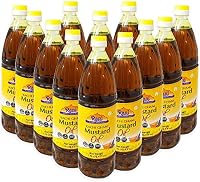
Rani Yellow Mustard Oil on Amazon.com: Honest First Look at Kachi Ghani 1 Liter for Diaspora Kitchens
If you have been searching for authentic Indian mustard oil USA shoppers can actually find on store shelves, you are not alone. Millions of home cooks across the United States and other diaspora communities have spent years hunting for a reliable bottle of cold pressed mustard oil that delivers the pungent kick and golden color they remember from family kitchens. Big-box stores often stock tiny bottles of generic cooking oil labeled "mustard," but the real thing — unrefined, kachi ghani, non-GMO — has been surprisingly hard to track down outside specialty Indian grocers.
That is exactly why the arrival of Rani Yellow Mustard Oil (Kachi Ghani) 33.8 Ounce (1 Liter) NON-GMO on Amazon.com has caught attention. In this honest first look, we break down what this product offers, where it shines, and where you should keep your expectations grounded. This is not a sponsored review — it is a practical guide for anyone considering mustard oil Amazon listings for everyday cooking.
By the end, you will understand whether this 1-liter bottle of Rani Kachi Ghani is the right cooking oil Amazon.com pick for your kitchen, how it compares to other Indian mustard oil options available stateside, and what to watch for before you click "Add to Cart."
What Makes Kachi Ghani Different From Regular Mustard Oil
The term "kachi ghani" translates roughly to "cold pressed" or "raw extraction" in Hindi. Traditional mustard oil production in India involves pressing mustard seeds at low temperatures without refining, bleaching, or deodorizing the resulting oil. The result is an oil with a strong, almost peppery aroma, a deep golden-yellow hue, and a flavor profile that many home cooks describe as irreplaceable. When you decide to sarson oil buy online, understanding this distinction matters.
The Cold Pressing Process and Why It Matters
Cold pressed mustard oil retains more of the natural compounds found in mustard seeds, including allyl isothiocyanate — the compound responsible for that signature sharp bite. Refined mustard oils, which dominate Western grocery aisles, are typically processed with heat and chemical solvents, stripping away much of the flavor and character. For diaspora families trying to recreate dishes like sarson ka saag, dal makhani tempering, or Bengali shorshe ilish, kachi ghani is not a luxury — it is the authentic ingredient.
- Flavor: Robust, pungent, and complex with a lingering warmth that refined oils simply cannot replicate.
- Color: Deep golden-yellow, sometimes slightly amber depending on the mustard seed variety and pressing batch.
- Aroma: Strong and distinctive. If you are not used to it, the first whiff may surprise you — this is normal and expected.
- Smoke point: Generally high enough for Indian-style tempering and sautéing, though exact figures vary by batch and should not be treated as guaranteed cooking parameters.
Rani Brand: What to Know Before You Buy
Rani is a name some Indian mustard oil USA shoppers may recognize from prior purchases or community recommendations. The specific product listed on Amazon.com — the 33.8 ounce (1 liter) NON-GMO Kachi Ghani — positions itself as an accessible entry point for families who want a larger bottle without the premium price tag associated with artisanal brands.
Honest Trade-Offs to Consider
No single product is perfect for every household, and Rani Yellow Mustard Oil is no exception. Here are some practical trade-offs worth weighing:
- Price-to-size ratio: A 1-liter bottle is generous for household use and may last several weeks for a family cooking Indian dishes two to three times per week. The price point on Amazon tends to be competitive, though it fluctuates with supply chains.
- Pungency level: Some shoppers find Rani's kachi ghani more aggressively pungent than other brands. If your household prefers a milder mustard flavor, you might consider using it sparingly or blending it with a neutral oil.
- Packaging: The bottle arrives in standard Amazon packaging, which generally works well, but some buyers have noted that the cap seal could be tighter. Always check for leaks upon delivery.
- Sourcing transparency: While the label states NON-GMO, detailed sourcing information (specific farms, seed varieties, or pressing facilities) may be limited compared to boutique brands. For some families, this is perfectly acceptable; for others, it is a consideration.
How Diaspora Families Actually Use This Oil in American Kitchens
One of the most common mistakes new users make is treating mustard oil like a finishing oil or a salad drizzle. Traditional Indian cooking uses it as a primary cooking fat — for frying spices, browning onions, and building the flavor foundation of an entire dish. Here is how many families integrate it into weekly cooking:
- Tempering (tadka): Heat the mustard oil until it just begins to shimmer, add mustard seeds, cumin, curry leaves, and dried red chilies. The sizzle is unmistakable and forms the aromatic base for dals, chutneys, and vegetable dishes.
- Sautéing aromatics: Onions, garlic, ginger, and green chilies sauté beautifully in mustard oil, developing deeper caramelization than in neutral oils.
- Marinades and pickles: Many families use mustard oil as a base for meat marinades (especially in North Indian and Bihari cooking) and for homemade pickle preparations.
- Fusion experiments: Some home cooks in the US have begun using small amounts in vinaigrettes or as a finishing drizzle on roasted vegetables, bringing an unexpected depth to familiar Western dishes.
Storage Tips for Longevity
Unrefined mustard oil can oxidize faster than refined alternatives. For best results, store your bottle in a cool, dark place — ideally a closed cabinet away from the stove. Once opened, most families finish a 1-liter bottle within four to eight weeks. If you find you are not using it quickly enough, refrigeration may slow rancidity, though the oil can thicken and develop a slightly waxy texture when cold. It returns to normal consistency at room temperature.
Comparing Rani Kachi Ghani to Other Mustard Oil Options on Amazon
Amazon's mustard oil selection has grown significantly. Readers interested in broader comparisons may want to review our earlier look at Discover the Flavors of India with Amazon's Black Mustard Oil or our deep dive into Cold Pressed Mustard Oil on Amazon. Both pieces cover related products and help contextualize where Rani fits in the current landscape.
Generally speaking, the market breaks down into three tiers: budget-friendly Indian-brand bottles like Rani that prioritize value and volume; mid-range organic brands (such as Pure & Sure, which we have also reviewed on this site) that emphasize certification and sourcing detail; and premium artisanal producers who hand-press small batches with specific seed varieties. Rani sits comfortably in the value tier, offering solid quality at a price that encourages regular use rather than hoarding.
Frequently Asked Questions
Is Rani Yellow Mustard Oil truly cold pressed?
The label describes it as "Kachi Ghani," which is the traditional Indian term for cold pressed or raw extraction. While specific pressing equipment and temperatures are not always disclosed on the packaging, the product is marketed and generally understood within the kachi ghani category. If you need verified cold-press certification for dietary or personal reasons, look for brands that explicitly list USDA Organic or similar third-party verification.
Can I use this oil for high-heat cooking like deep frying?
Mustard oil does have a relatively high smoke point, which may make it suitable for certain high-heat techniques. However, because this is an unrefined kachi ghani product, some cooks prefer to reserve it for tempering and sautéing rather than prolonged deep frying. The flavor can intensify at very high temperatures, which some families enjoy and others find overpowering. There are no guaranteed universal outcomes — it depends on your tolerance and the dish you are preparing.
Does mustard oil need to be refrigerated after opening?
Refrigeration is not strictly required but can help extend shelf life, especially in warmer US climates. Many families keep it in a pantry and finish the bottle within a month or two. If you notice a sharp, sour, or off-putting smell, the oil may have oxidized and should be discarded.
Is this oil suitable for people who are new to mustard oil?
Yes, but start small. The pungency can be intense for first-time users. Many cooks recommend using about one teaspoon per dish initially and adjusting upward as your palate adjusts. Some diaspora families mix a small amount of mustard oil with a neutral oil during the first few attempts to ease the transition.
What does NON-GMO on the label actually mean here?
NON-GMO indicates that the mustard seeds used are not derived from genetically modified sources. In India, most traditional mustard varieties are naturally non-GMO, so this claim aligns with conventional farming practices. However, without third-party certification (such as the Non-GMO Project Verified seal), the claim relies on the brand's own sourcing standards.
How does this compare to buying mustard oil at an Indian grocery store?
Indian grocery stores often carry a wider selection of regional brands and freshly pressed varieties. The advantage of Amazon is convenience, especially for shoppers in areas without a nearby Indian market. Price per ounce may be similar or slightly higher on Amazon once shipping is factored in, but the accessibility factor is significant for many diaspora households.
Conclusion
Rani Yellow Mustard Oil (Kachi Ghani) 33.8 Ounce (1 Liter) NON-GMO is a solid, no-frills option for home cooks who want an authentic Indian mustard oil experience without the premium price tag. It delivers the pungency, golden color, and traditional flavor that families look for when recreating beloved recipes from back home. The trade-offs — less detailed sourcing transparency, intense aroma for newcomers, and no formal organic certification — are worth acknowledging honestly, but they do not necessarily disqualify it from your kitchen.
For diaspora families building a pantry from scratch, for fusion cooks experimenting with bold new flavors, or for anyone who has been frustrated by the limited selection at local stores, this bottle represents a practical and affordable starting point. If you are ready to stock your shelf with a versatile, traditional cooking fat that works across dozens of cuisines, shop mustard oil on Amazon.com and explore what is available today.