TongueClash Mustard Oil on Amazon: Honest First Look for Salad, Sushi & Cold Dishes (2026)
If you have been searching for a quality mustard oil Amazon listing that works for cold applications — think salad dressings, sushi accompaniments, sashimi dipping blends, and cold noodle sauces — you are not alone. Diaspora families and adventurous home cooks across the US have been quietly upgrading their pantry staples, and cold-pressed mustard oil has moved from a niche aisle to a real shopping list item. But with so many options on Amazon.com, how do you separate genuinely cold-pressed oil from products that simply use the label as a marketing trick?
In this honest first look, we examine what makes a cold-pressed mustard oil suitable for uncooked use, what to watch for on Amazon in 2026, and why products like TongueClash Mustard Oil are catching attention among fusion cooks. By the end, you will know exactly what specs to compare, what trade-offs exist, and where to shop mustard oil on Amazon.com with confidence. This guide is for informational and culinary purposes only — it is not medical advice, and individual dietary results may vary.
Why Cold-Pressed Mustard Oil Is Gaining Popularity in US Kitchens
Traditional Indian cooking has relied on Indian mustard oil USA imports for generations. But the modern diaspora kitchen does more than just temper spices — it experiments. Home cooks in 2026 are blending Japanese, Korean, and Indian techniques, and cold-pressed mustard oil fits naturally into that crossover. Its sharp, pungent bite and golden hue add character to dishes that traditionally used sesame or neutral vegetable oils.
Several factors are driving this shift:
- Fusion cooking trends: Sushi rolls with mustard oil drizzle, cold soba noodle salads dressed in sarson-based vinaigrettes, and sashimi platters paired with spiced mustard dips are increasingly common in home kitchens.
- Clean-label movement: Consumers want fewer processed ingredients. Cold-pressed oils, made without chemical solvents, appeal to cooks who read labels carefully.
- Amazon accessibility: What once required a specialty Indian grocery store is now a few clicks away. Searches for cooking oil Amazon.com listings have grown year over year, especially among international shoppers.
However, popularity brings imitation. Not every bottle labeled "cold pressed" on Amazon has been extracted through genuine cold-pressing methods. Some use heat-assisted extraction and then filter the final product to appear premium. Understanding this distinction is essential before you buy.
What to Look For When Buying Mustard Oil on Amazon
When you type sarson oil buy online into the search bar, the results can be overwhelming. Here is a practical checklist to help you evaluate listings honestly:
Extraction Method
True cold-pressed mustard oil is extracted at temperatures below 120°F (49°C) using a mechanical press. This preserves the oil's natural pungency, color, and nutrient profile. Products that do not specify their extraction temperature or method may use solvent extraction, which yields a more neutral-flavored but less characterful oil.
Packaging and Shelf Life
Cold-pressed oils are more perishable than their refined counterparts. Look for bottles in dark glass or opaque packaging that shields the oil from light. A shorter shelf life often signals fewer preservatives — a good trade-off if you plan to use the oil within a few months.
Origin and Certification
Reputable sellers list their sourcing regions. Indian origins like Rajasthan, Bihar, or West Bengal are well-known for quality mustard seed harvests. USDA Organic or similar certifications can add a layer of assurance, though not every excellent oil carries one.
Intended Use Labeling
Some products explicitly state "for external use only" or "not for cooking," which is a red flag if you want an edible oil. For salad, sushi, and sashimi applications, you need a food-grade cold-pressed oil clearly marked for internal consumption.
For a deeper dive on what to compare across listings, our guide on Cold Pressed Mustard Oil on Amazon breaks down the key specs worth checking before checkout.
Honest First Look at TongueClash Mustard Oil
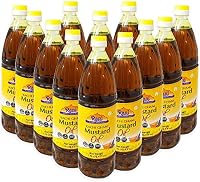
TongueClash Mustard Oil positions itself as a premium option for cold culinary applications — salad dressings, sushi garnishes, sashimi accompaniments, and cold noodle dressings. The brand markets it as cold-pressed and food-grade, which immediately places it in a more selective category than generic cooking oils.
What Stands Out
- Cold-use focus: Unlike many mustard oil products aimed at high-heat Indian cooking, TongueClash emphasizes uncooked applications. This is a meaningful distinction because cold-pressed oils retain their boldest flavor profiles without heat exposure.
- Presentation: The bottle and labeling are designed to appeal to a modern, design-conscious audience — a shift from the utilitarian packaging many Indian grocery products use.
- Versatility: The product bridges cuisines. A Japanese home cook dressing soba noodles and an Indian family making mustard-based salads can both find value in the same bottle.
Honest Trade-Offs
- Price point: Specialty cold-pressed oils for salad use typically cost more per ounce than standard mustard oil. Budget-conscious cooks should weigh whether the premium is justified for their usage frequency.
- Availability: Newer Amazon listings may have limited reviews. In 2026, early buyers should expect fewer community ratings compared to established brands, which means relying more on product descriptions and ingredient transparency.
- Flavor intensity: Cold-pressed mustard oil is inherently pungent. If you are used to milder salad dressings, start with small amounts and adjust. This is not a flaw — it is a characteristic of unrefined sarson oil.
For those who want to explore further, you can browse the current selection of cold pressed mustard oil options on Amazon through this shop mustard oil on Amazon.com link. Some families also compare TongueClash against established brands; our review of Pure & Sure Organic Mustard Oil on Amazon.com offers a useful side-by-side perspective.
Practical Tips for Using Cold Mustard Oil at Home
Once you have your bottle, a few practical habits help you get the best results, especially for cold applications:
- Store it properly. Keep the bottle in a cool, dark place — ideally a pantry away from the stove. Refrigeration can extend shelf life but may cause slight clouding, which is normal and does not affect quality.
- Use it as a finishing oil. For salads and sashimi, drizzle cold mustard oil just before serving. This preserves its aromatic punch. Mixing it too far in advance can mellow the flavor.
- Combine wisely. Mustard oil pairs well with citrus (lemon, lime), soy sauce, rice vinegar, sesame oil, and honey. For a cold noodle dressing, try blending it with soy sauce, rice vinegar, a touch of honey, and a pinch of grated ginger.
- Start small. If your household is new to sarson oil, use half the amount you think you need and adjust. The pungency can surprise first-time users, and some families find the flavor grows on them over several weeks.
- Check the date. Cold-pressed oils degrade faster than refined ones. Note the manufacture or best-by date when you receive your Amazon order, and plan to use it within 3–6 months for optimal taste.
Where to Buy Sarson Oil Online With Confidence
Buying sarson oil buy online does not have to be a gamble. Here are final tips for a smoother experience on Amazon in 2026:
- Read recent reviews, not just the total count. Sort by "Most Recent" to see current product quality, since sellers sometimes change formulations.
- Check the ingredient list. It should be short — ideally just mustard oil, with no added preservatives or artificial fragrances for cold-use products.
- Compare seller profiles. Established sellers with high fulfillment ratings tend to handle storage and shipping more carefully, which matters for oil integrity.
- Look for FSSAI or equivalent certification if the product claims Indian origin. This indicates it meets food safety standards for export.
For broader context on how mustard oil listings compare across Amazon, our overview in Mustard Oil on Amazon: A Guide covers shipping, pricing trends, and what diaspora shoppers commonly report.
Frequently Asked Questions
Is TongueClash Mustard Oil suitable for daily salad use?
Yes, TongueClash Mustard Oil is marketed for salad and cold dressing applications. However, individual tolerance to mustard oil's natural pungency varies. Some families use it daily, while others reserve it for special preparations. Start with small amounts and adjust to your palate.
What makes cold-pressed mustard oil different from regular mustard oil?
Cold-pressed mustard oil is extracted mechanically at low temperatures, preserving its natural color, aroma, and nutrient content. Regular or refined mustard oil may use heat or chemical solvents during processing, resulting in a milder flavor and potentially fewer naturally occurring compounds. The two are not identical in taste or composition.
Can I use cold-pressed mustard oil for sushi and sashimi?
Many home cooks use cold-pressed mustard oil as a finishing drizzle or dip ingredient alongside sushi and sashimi. It is not a traditional Japanese pairing, but fusion cooks find the pungency complements raw fish well. Always ensure the oil is food-grade and labeled for internal consumption.
How long does cold-pressed mustard oil last once opened?
Once opened, cold-pressed mustard oil typically stays fresh for 3 to 6 months when stored in a cool, dark place. Refrigeration can extend this slightly. Signs of spoilage include a rancid smell, off-taste, or significant color change. Trust your senses — if it smells unpleasant, it is best to replace it.
Is mustard oil safe for all dietary preferences?
Mustard oil is plant-based and generally suitable for vegan and vegetarian diets. However, individuals with mustard seed allergies should avoid it. Some families with members who have sensitive digestive systems introduce it gradually. As always, consult your own health advisor if you have specific dietary concerns — this article provides general culinary information only.
Why does Amazon have so many mustard oil listings with different prices?
Price differences reflect variations in extraction method, brand positioning, bottle size, organic certification, and seller markup. Cold-pressed, food-grade oils from reputable sellers tend to cost more than mass-market refined options. Comparing ingredient lists and reviews rather than price alone will help you find the best value for your needs.
Conclusion
Finding the right mustard oil Amazon listing for cold culinary uses — salads, sushi, sashimi, and cold noodle dressings — takes a bit of research but pays off in flavor. TongueClash Mustard Oil offers a focused, cold-use option that reflects the growing fusion-cooking movement in diaspora kitchens across the US. By checking extraction methods, packaging, origin details, and recent reviews, you can shop with clarity rather than guesswork.
The honest truth is that no single oil suits every palate. Cold-pressed mustard oil carries intensity and character that some households love immediately and others grow into over time. The trade-offs — higher cost, shorter shelf life, bold flavor — are real, but so are the culinary possibilities.
If you are ready to explore cold-pressed mustard oil for your own kitchen, start here: shop mustard oil on Amazon.com and compare what is available in 2026. Happy cooking — and honest experimenting.