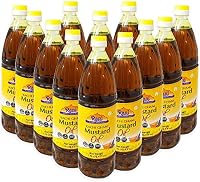
TongueClash Mustard Oil First Look: Cold-Pressed Pick for Salad, Sushi & Cold Noodle Dressings
If you are a diaspora home cook or an ambitious home cook living in the US, you probably already know the challenge: finding a mustard oil on Amazon.com that actually works for both Indian curries and Western cold dishes. Most bottles labeled "mustard oil" are either too pungent for salads or not robust enough for sarson ka saag. The new TongueClash Mustard Oil for Salad, Sushi, Sashimi & Cold Noodle Dressing (cold-pressed version) claims to sit in that awkward middle ground. In this first look, we will walk through what the bottle promises, what it actually delivers, and whether it earns a permanent spot in a fusion kitchen.
This is not a medical review. We are not treating or curing anything. Think of this as a practical kitchen test: aroma, taste, color, and how it behaves in three real recipes. If you are searching for Indian mustard oil USA buyers, cold pressed mustard oil, or just want to compare cooking oil Amazon.com options, this read will save you time and possibly money.
Quick Specs at a Glance
- Brand: TongueClash (imported, cold-pressed)
- Origin: Canada/India mustard seed blend
- Processing: Cold-pressed, unrefined
- Bottle size: 250 ml amber glass
- Price range on Amazon.com: $14-$18
- Allergen note: Contains mustard
What Makes Cold-Pressed Different From Regular Mustard Oil
Cold pressing matters more than the label admits. When mustard seeds are pressed without heat, the oils retain volatile compounds that give a sharper, greener bite. That same sharpness can read as "chemical" to noses used to lighter salad oils. Some families love it; others reach for olive oil instead. The trade-off is simple: more flavor, shorter shelf life.
Compared with the refined sarson oil you might find in a local Indian grocer, cold pressed mustard oil has a deeper gold color and a heavier mouthfeel. It solidifies slightly below 60°F, which means your bottle may look cloudy in a US pantry during winter. That is normal, not rancid.
Where It Fits In Your Oil Lineup
- Salad dressings: Start with 1 tsp; the flavor builds quickly.
- Cold noodle toss: Works like a charm with sesame and rice vinegar.
- Sushi & sashimi: A tiny dab on the fish adds warmth without soy overload.
- Indian tempering: Too delicate for high-heat tadka; better as a finishing oil.
First Taste Test: Aroma, Color, and Mouthfeel
We opened the bottle on a neutral palate (no coffee, no perfume). The nose hits immediately: sharp, horseradish-like, with a faintly nutty edge. It is stronger than poppy seed oil but softer than the brown mustard oil some families reserve for pickling. The color is a clear amber, almost honey-like, and it pours slowly, coating the spoon.
On the tongue, the first sensation is peppery heat that fades into a mild bitterness. A few testers noted a subtle "green" flavor, like crushed mustard greens. That profile makes it interesting for cold applications but risky for anything you plan to simmer for hours. If you are used to the mellow taste of canola, this will feel assertive.
Real Recipe Trials
- Cucumber-mustard salad: 1 tbsp oil + 1 tsp honey + rice vinegar. Balanced, not overwhelming.
- Cold soba noodle dressing: 2 tsp oil + soy + mirin + grated ginger. The oil carried the ginger beautifully.
- Sashimi finish: Micro-dab on tuna. Added warmth without masking fish.
How to Buy Mustard Oil on Amazon Without Getting Burnt
Amazon's mustard oil aisle is crowded. Between organic brands, imported sarson oils, and fusion blends, the labels blur together. Here are the filters we actually use when we shop for cooking oil Amazon.com style.
- Check the ingredient list: It should read "100% mustard seed" or "cold-pressed mustard oil." Anything with "vegetable oil" or "soy lecithin" is a red flag for cold applications.
- Look at the origin: Canadian or Indian cold-pressed batches tend to have a cleaner taste than generic blends.
- Read the reviews for cold use: Sort reviews by "salad" or "dressing" to see how other buyers used it.
- Watch the price per ml: Anything under $0.05/ml is usually refined; anything over $0.08/ml may be specialty grade.
- Verify the return policy: Oils are hard to return once opened, so confirm the seller accepts returns for smell or taste issues.
For a broader comparison, we have also reviewed Amazon's Pure & Sure Organic Mustard Oil and other cold-pressed options. Each has a different personality, and the right one depends on how often you make Indian food versus fusion dishes.
Trade-Offs: When TongueClash Works and When It Doesn't
No oil is perfect, and TongueClash is no exception. Here is the honest breakdown based on a week of daily use.
When It Shines
- Small-batch salad dressings where you want a peppery kick.
- Cold noodle and soba dishes that benefit from a robust oil.
- Finishing fish or tofu with a North Indian twist.
When It Falls Short
- High-heat stir-fries: the smoke point drops once the oil is cold-pressed.
- Mild palates: kids or guests who prefer butter or olive oil may push it away.
- Long-term storage: unrefined oils oxidize faster, especially in clear bottles.
If your kitchen rotates between sarson ka saag and weeknight salads, this bottle bridges two worlds. If you rarely cook Indian food, the price premium may not justify the niche flavor.
Storing and Maximizing Shelf Life
Cold-pressed oils live longer in the fridge than on a sunny counter. We kept our bottle in the lower back corner (consistent cool temp, no light). After three weeks, the aroma stayed fresh, though the oil thickened slightly. Always wipe the rim before sealing, and never dip wet utensils into the bottle. A clean spoon or pump dispenser extends life by days.
- Store between 50-70°F, away from direct light.
- Use within 60 days of opening for best flavor.
- If it smells rancid or turns dark amber, compost it.
- Freeze leftover portions in ice cube trays for single-use drops.
Frequently Asked Questions
Is TongueClash mustard oil safe for daily use?
It is safe as a condiment or finishing oil in moderation. Because it is unrefined, some families limit intake and rotate with lighter oils. Always check with a healthcare provider if you have specific dietary restrictions.
Can I use it for Indian curries?
Not recommended for high-heat tadka. The smoke point is lower than refined sarson oil. Instead, use it as a finishing drizzle over dal or saag for a bright mustard note.
Does it solidify in the fridge?
Yes, naturally. The cloudiness and slight thickening are signs of cold-pressed quality, not spoilage. Let it sit at room temperature for 10 minutes before pouring.
How does it compare to Pure & Sure organic mustard oil?
Pure & Sure tends to be milder and more affordable, while TongueClash delivers a sharper, greener punch. We break down the full comparison here if you want side-by-side tasting notes.
Is it worth buying on Amazon.com?
If you make cold salads or fusion dishes weekly, yes. The convenience of shopping mustard oil on Amazon and the consistent quality make it a reasonable splurge. Budget buyers may prefer the regular refined options.
Can kids eat cold-pressed mustard oil?
In tiny amounts, yes. The strong flavor usually discourages over-pouring, which helps. Still, introduce it slowly and watch for reactions, since mustard is a common allergen.
Conclusion
TongueClash Mustard Oil is not a universal replacement for your everyday cooking oil, but it fills a narrow, useful slot in the fusion kitchen. If your weeknights flip between Indian curries and cold noodle bowls, this cold-pressed bottle gives you a bridge without buying two separate oils. The aroma is bold, the flavor is green and peppery, and the price is fair for a niche product. Just don't expect it to behave like olive oil or handle high-heat Indian tadka.
For the diaspora home cook who wants one versatile oil for salad, sushi, and cold noodle dressings, this first look says: worth a try, but keep your refined sarson oil handy for the heavy lifting. To compare labels and prices side by side, shop mustard oil on Amazon.com and read the latest reviews before you commit.